Explain the Differences Between the Terms Resin Plastic and Polymer
Plastics are known as resins and are made of polymers. Polymers are constructed from relatively small molecular fragments known as monomers that are joined together.
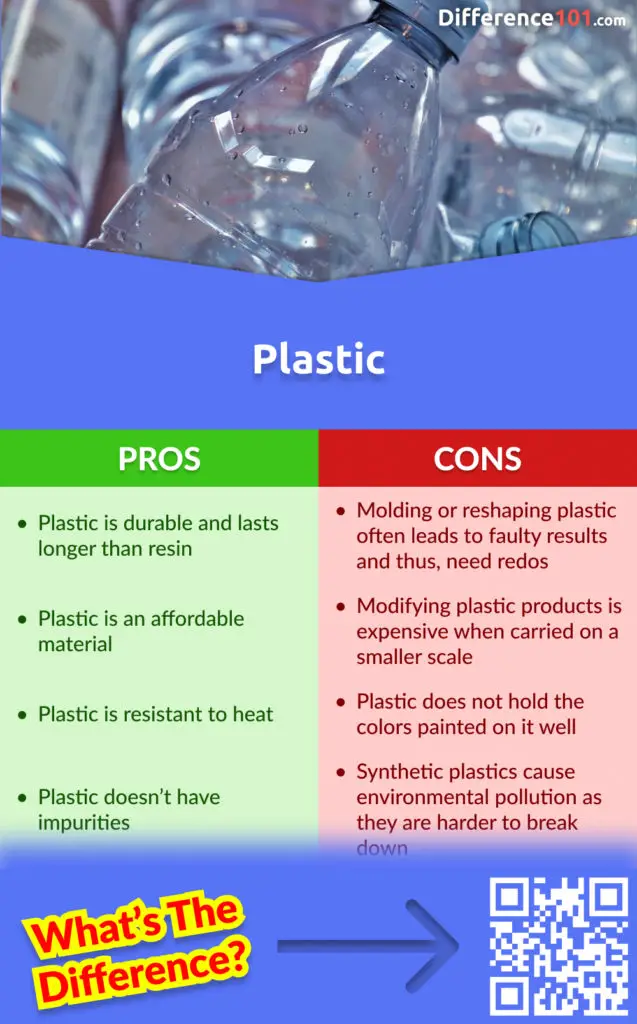
Plastic Vs Resin 7 Key Differences Pros Cons To Know Difference 101
Due to the presence of repetitive units both have polymer.

. A thermoplastic is a resin that is solid at room temperature but becomes plastic and soft upon heating flowing due to crystal melting or by virtue of crossing the glass transition temperature T g. These polymers have been compounded with modifying or stabilizing additives. Polymers are classified into two different plastics.
It is based on the element carbon polymer molecules are made from simple oil-based raw materials. Through this chemical reaction most often exothermic the resin molecules create extremely strong bonds with one another and the resin changes state from a liquid to a solid. Upon processing usually via injection-moulding or blow-moulding-like processes thermoplastics take the shape of the mould within which they are poured as melt and cool to.
These unsaturated resins are combined with other chemicals sometimes called hardeners or catalysts. - There exists interface between these materials - compatibility Fiber. Chain length is large and in case of resin the chain length issmall.
Polymers are large molecules which comprise of repeating. Synthetic polymers are used daily in products all. This plastic material is in fibers for clothing containers for foods and liquid glass fiber for engineering resins carbon nanotubes and many other products that we use on a daily basis.
These polymers have been compounded with modifying or stabilizing additives. Definition of Thermoplastic A thermoplastic refers to a plastic polymer material that can become mouldable or pliable at a particular temperature. In polymer chemistry and material science the resin is a solid or high viscous substance of plant or synthetic origin that is typically convertible into polymers.
Gums are usually mixtures of organic compounds. What is a Polymer. Resin and plastic are of an organic nature which mainly consist of long hydrocarbon chains.
Answer 1 of 4. There are organic polymers such as amino acids and DNA and more familiar synthetic polymers which include plastics like thermosets and thermoplastics. Introduction Thermoset vs Thermoplastic The primary difference between the two is that Thermoset is a material that strengthens when heated but cannot be remolded or heated after the initial.
Plastic is a specific type of polymer comprised of a long chain of polymers. In general terms fiber-reinforced polymer FRP refers to the use of reinforcing fibers with a length of 14-inch or greater. Plastic is an essential component used in making many kinds of products.
Commercial plastics are known as resins in North America and are made of polymers. A monomer is a molecule that can be bonded to other identical. Binders such as resins or polymers - These materials differ in form or composition on a macroscale.
The key difference between polymer vs plastic is that plastic is a specific type of polymer. The starting materials for polymers are called monomers and they are small. Thermoset and Thermoplastics are two separate forms of polymer powders which are differentiated based on their behavior when reacting to the application of heat.
Polymers on the other. However the term is just a component which is used to synthesize plastic. Polymers are lengthy chain compounds composed of monomers.
Understanding the performance difference between thermoplastic and thermosetting plastic will be useful in making better designing and sourcing decisions. Plastics are synthetic and do not occur naturally. While the plastic resin codes dont necessarily indicate the toxins used in the plastics they are useful for distinguishing between the different kinds of plastics.
The materials we call plastics polystyrene ABS acrylics polyethylene etc are synthetic resins in the form of long-chain polymers derived from usually petroleum. They are Thermosetting plastics and Thermoplastics. The terms polymer and plastic are not the same.
The sap of pine and other coniferous trees often called pitch is a resin. Dissipate loads to the fiber network Maintain fiber orientation Protect the fiber network from damaging environmental conditions. When you are studying polymers in chemistry you will generally come across a typical question like distinguish between or write the differences between thermoplastic and thermosetting plastic While thermoset plastics and thermoplastics sound very similar they are totally different compounds and have different properties as well as applications.
The key difference between resin and plastic is that the resins are more of a natural origin since we produce them directly from the plant oozes whereas the plastics are of synthetic polymeric nature. Plastics and natural materials such as rubber or cellulose are composed of very large molecules called polymers. Polyvinyl Chloride PVC The third-most produced synthetic plastic polymer PVC can be manufactured to possess rigid or flexible properties.
Thermoplastic is defined as a plastic polymer material that can become mouldable or pliable at a particular temperature whereas thermosetting plastic is a polymer that becomes rigid in an irreversible manner on the application of heat. SPI codes for plastics help you better understand the products youre using and how they affect your health and the environment. Typically based on the element carbon polymer molecules are made from simple oil-based raw materials.
The term polymer is commonly used today in the plastics and composites industry and it is often used to imply the meaning of plastic or resin. Some items made using plastics include. When it comes to using plastics knowing the differences between the types of plastic as well as their SPI codes will help you make more informed decisions.
Polymer is a more general term for any molecule made of a long repeating chain of smaller bonding molecules called monomers. Differences between polymer and plastic. The main difference between polymer and resin is the chainlength.
A polymer is chemical compound where molecules are bonded together in long repeating chains. It may not be so easy to differentiate between epoxy and resin. In case of polymer the.
Plastic is a specific type of polymer. Water bottles combs and beverage containers. Plastics are comprised of a long chain of polymers where polymers are composed of smaller uniform molecules.
With this in mind we can dig a little deeper into the definitions. Polyester resins are formed by the reaction between polyols such as glycol or ethylene glycol with dibasic acids such as phthalic acid or maleic acid.
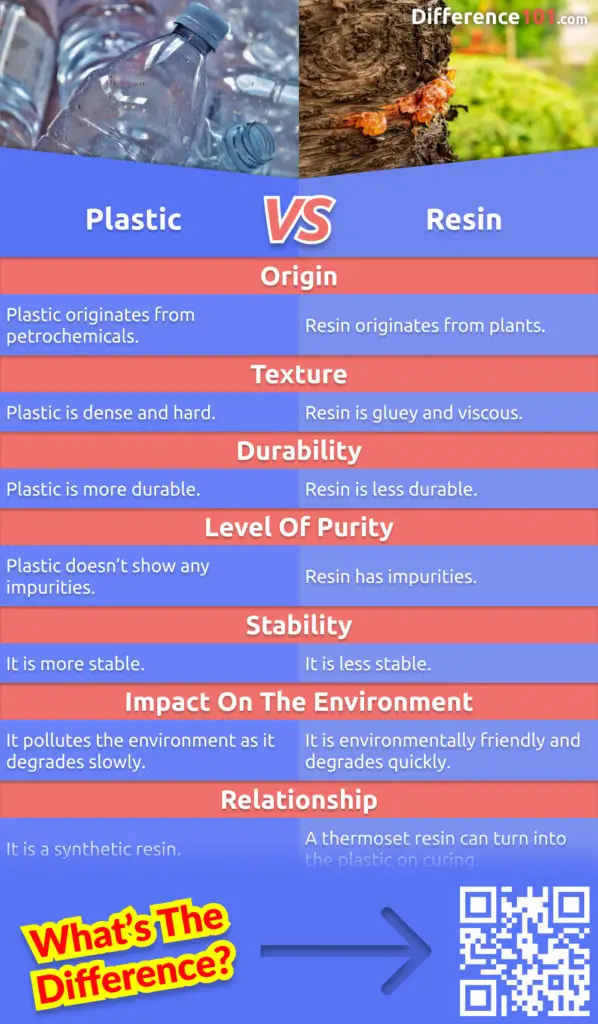
Plastic Vs Resin 7 Key Differences Pros Cons To Know Difference 101
Difference Between Resin And Plastic Compare The Difference Between Similar Terms

Plastic Vs Resin 7 Key Differences Pros Cons To Know Difference 101


Comments
Post a Comment